







By Eric D. Love, Esq., Legionnaires’ Disease Attorney, Leav & Steinberg, LLP, New York, NY
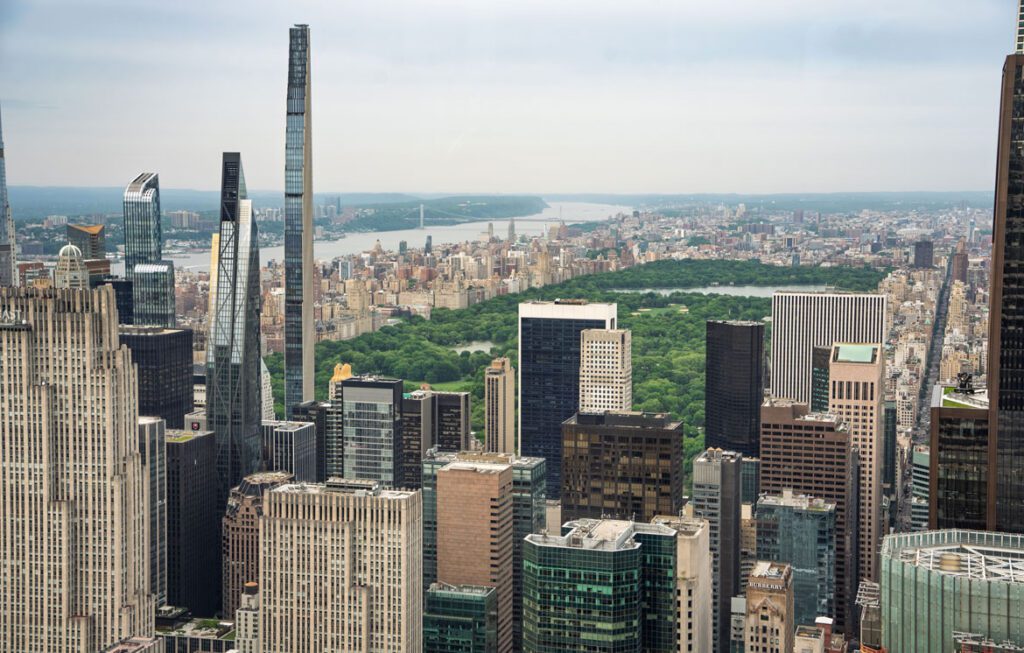
Latest update (September 3, 2026): The 2026 Upper East Side Legionnaires’ disease outbreak in Carnegie Hill, Yorkville, and Lenox Hill (ZIP codes 10028, 10128, and 10075) has sickened 94 people and taken 11 lives. The NYC Health Department says the period of elevated exposure has ended. The City has not publicly identified a particular cooling tower as the source, and the source investigation remains ongoing.
If you got sick this summer, or if you lost someone, I am sorry. You did nothing to deserve this. You went about your life and may have been exposed to Legionella through a building water system.
Legionnaires’ disease generally does not spread from person to person. It is usually contracted by breathing in contaminated water droplets and can also occur when contaminated water accidentally enters the lungs. Building owners and contractors may have legal duties to maintain the systems that can create this risk.
If failures in maintenance, testing, treatment, or reporting contributed to the outbreak, a building owner, manager, contractor, or other party may be legally responsible under New York law.
I have handled Legionnaires’ disease cases since early in my career. I know how frightening the diagnosis is, how long the recovery can be, and how families are left with more questions than answers. So here’s what to know:
What Happened in the 2026 Upper East Side Legionnaires’ Outbreak
- Where: A roughly one-mile area of the Upper East Side covering Carnegie Hill, Yorkville, and Lenox Hill, in ZIP codes 10028, 10128, and 10075
- When: First cases were reported in early July 2026. The Health Department says no new cases were diagnosed after July 21, and the two-week incubation window closed at the end of July.
- How many: 94 confirmed cases and 11 deaths as of late August. Several of those deaths were announced weeks after the patients were first diagnosed, a reminder that this illness does not always resolve quickly. It is the deadliest Legionnaires’ outbreak in New York City since the 2015 South Bronx outbreak.
- Investigation: Health officials focused on cooling towers in the affected area. During the investigation, 77 cooling towers initially tested PCR-positive for Legionella, and 59 were later confirmed culture-positive for live bacteria. All culture-positive towers were cleaned and disinfected. A positive tower test does not, by itself, establish that a particular tower caused an individual illness.
- Source: Not publicly identified as of September 3, 2026. The City has not yet attributed the outbreak to a particular tower or building. Additional epidemiological and laboratory findings may provide more information.
- Response: The Mayor announced new citywide Legionnaires’ safety measures on September 1, and the City Council held an oversight hearing on September 2.
What Is Legionnaires’ Disease?
Legionnaires’ disease is a severe form of pneumonia caused by Legionella bacteria. The bacteria grow in warm water that sits still and is not properly treated. You get sick by breathing in tiny water droplets that carry the bacteria.
Legionnaires’ disease generally does not spread from person to person. It is usually contracted by inhaling contaminated water droplets, although infection can also occur when contaminated water accidentally enters the lungs. Potential sources include:
- Rooftop cooling towers. These large air-conditioning systems can release water droplets into the air. Cooling towers have been linked to prior New York City outbreaks, including the 2025 Central Harlem and 2015 South Bronx outbreaks, and they were a central focus of the Upper East Side investigation.
- Hot water systems in apartment buildings, hotels, nursing homes, and hospitals
- Hot tubs, spas, and decorative fountains
- Showers and faucets fed by contaminated pipes
Legionnaires’ disease symptoms
Symptoms usually start 2 to 14 days after exposure and include high fever, cough, shortness of breath, muscle aches, headache, and confusion. People over 50, smokers, and people with lung conditions or weakened immune systems are at highest risk. About 1 in 10 people who get Legionnaires’ disease die from it.
For some survivors, getting out of the hospital is not the end. Long-term lung problems, persistent exhaustion, and difficulty with memory or concentration may continue after the acute infection. If you are still not yourself, document those symptoms and discuss them with your medical providers.
Can You Sue for Legionnaires’ Disease in New York?
A Legionnaires’ disease claim may be based on negligence. Whether a claim can be proven depends on the evidence connecting the illness to a source and showing that a responsible party failed to use reasonable care or comply with applicable requirements. Here is what can make these cases provable.
The law tells building owners exactly what to do
After the 2015 Bronx outbreak, New York City passed Local Law 77 and New York State adopted its own cooling tower regulations. Every cooling tower in New York City must be registered, tested regularly, maintained under a written plan, and cleaned right away if Legionella is found. Owners must keep records. Earlier this year the City shortened the testing interval to every 31 days, and after this summer’s outbreak it tightened the rules again.
These rules were strengthened after people died in the 2015 outbreak. Records showing missed tests, inadequate chemical treatment, poor maintenance, or an insufficient response to a positive result may provide powerful evidence of negligence. The legal effect of any violation depends on the particular rule and facts.
Lab science can identify the source
During an outbreak, health officials may collect environmental samples from suspected buildings and clinical samples from patients. Laboratory and genetic analysis can sometimes help connect an infection to an environmental source, but a match is not always available or conclusive. Medical records, exposure history, maintenance records, testing results, and epidemiological evidence may all be important.
Insurance may be available
Commercial property owners, managers, and water-treatment contractors often carry liability insurance. Whether coverage exists, which policy applies, and how much coverage is available depend on the particular defendants, policies, and circumstances.
Who Is Responsible for a Legionnaires’ Disease Outbreak?
Depending on the facts, you may have a claim against:
- The owner of the building with the contaminated cooling tower or water system
- The property management company responsible for day-to-day maintenance
- The contractors hired to inspect, test, and treat the cooling tower
- Hotels, nursing homes, and hospitals where guests, residents, or patients were exposed
- Government agencies, including NYCHA and city-owned buildings, which have very short filing deadlines
If investigators identify one or more sources, potentially responsible parties may include the relevant building owners, management companies, water-treatment vendors, maintenance contractors, or others whose conduct contributed to the exposure. Identifying a positive tower alone does not necessarily establish legal responsibility.
What Can You Recover in a Legionnaires’ Disease Lawsuit?
No lawsuit gives you back the summer you lost or the person you lost. What it can do is make sure you are not carrying the cost of someone else’s failure alone. You may recover:
- Medical bills, including hospital stays, ICU care, and follow-up treatment
- Lost wages and reduced ability to work
- Pain and suffering and loss of enjoyment of life
- Long-term effects such as lung damage, chronic fatigue, and cognitive problems
- Wrongful death, if a family member died: the family’s financial losses, plus a separate claim for your loved one’s suffering before death
Deadlines for Filing a Legionnaires’ Disease Claim in New York
I know that a lawsuit is probably the last thing you want to think about while you are still recovering or grieving. I raise deadlines only because missing one can close the door for good.
- Personal-injury claim: often three years, although the date the period begins and possible exceptions depend on the facts
- Wrongful-death claim: generally two years from the date of death, subject to additional requirements and possible exceptions
- Government-related claims: deadlines can be as short as 90 days and vary depending on whether the potential defendant is New York City, New York State, NYCHA, a public hospital, or another public entity. Speak with an attorney immediately
Evidence can disappear quickly. Cooling towers may be cleaned, equipment may be replaced, and records may become more difficult to obtain. An attorney can evaluate whether preservation notices should be sent promptly.
What to Do If You Got Legionnaires’ Disease on the Upper East Side
You do not need to do all of this today. Start with what you can.
- Keep your medical records. Make sure they show a confirmed Legionnaires’ diagnosis (usually a urine test, culture, or PCR) and the date your symptoms started.
- Write down where you were. List every place you lived, worked, shopped, or walked in ZIP codes 10028, 10128, and 10075 during the two weeks before you got sick. Do this while it is still fresh.
- Cooperate with the Health Department. Their investigation often becomes the foundation of the case, and it helps protect your neighbors.
- Do not sign anything from a building owner or insurance company without talking to a lawyer first.
- Talk to a Legionnaires’ disease lawyer. These cases involve cooling tower regulations, lab science, and public health investigations. They are not ordinary injury cases, and you should not have to figure them out on your own.
Frequently Asked Questions
Is Legionnaires’ disease contagious? It generally does not spread from person to person. Infection usually occurs by inhaling contaminated water droplets and can also occur when contaminated water accidentally enters the lungs.
Can I sue if I got Legionnaires’ disease in the Upper East Side outbreak? You may have a claim if evidence connects your illness to the outbreak and shows that a building owner, contractor, or another party failed to use reasonable care or comply with applicable requirements. Each case requires an individual investigation.
What if the City hasn’t named the building yet? You can still begin preserving medical records and documenting where you were during the potential exposure period. An attorney can evaluate whether preservation notices or other investigative steps are appropriate. Later Health Department findings may provide important additional evidence, but they may not resolve every issue.
I live in Yorkville, Carnegie Hill, or Lenox Hill and got pneumonia this summer but was never tested for Legionnaires’. Do I have a case? Possibly, but proving the diagnosis may be more difficult without testing performed during the illness. Preserve all hospital, imaging, laboratory, and treatment records and speak with both your physician and an attorney about the available evidence.
My family member died from Legionnaires’ disease. Can we sue? A duly appointed estate representative may be able to bring claims for wrongful death and for the conscious pain and suffering experienced before death. Different damages, proof requirements, and deadlines apply, so prompt legal advice is important.
How much does it cost to hire a Legionnaires’ disease lawyer? Nothing up front. We handle these cases on a contingency basis, meaning we are paid only if we recover money for you. Cost should never be the reason you do not ask.
What about Legionnaires’ disease from a hotel, hospital, or nursing home? The same rules apply. Hotels, hospitals, and nursing homes have a duty to keep their water systems safe and can be sued when they do not.
Talk to a New York Legionnaires’ Disease Lawyer
Leav & Steinberg, LLP represents people throughout New York City, Long Island, and the Hudson Valley who were seriously injured because of someone else’s negligence. I bring hands-on experience with Legionnaires’ disease litigation specifically, including outbreak investigation, cooling tower regulations, and the scientific evidence that makes these cases.
If you or a loved one got Legionnaires’ disease in the Upper East Side outbreak, or from a hotel, hospital, nursing home, or apartment building anywhere in New York, contact us for a free consultation. We will listen, review your situation, and explain your options in plain language. There is no obligation, and no one will pressure you.
Leav & Steinberg, LLP 75 Broad Street, Suite 1601 New York, NY 10004 Contact us through our website or by phone for a free case review.
This article is for general information only and is not legal advice. Reading it does not create an attorney-client relationship. Every case is different. Attorney advertising. Prior results do not guarantee a similar outcome.